
Backyard Fire Pit Safety for Families: A Parent’s Guide
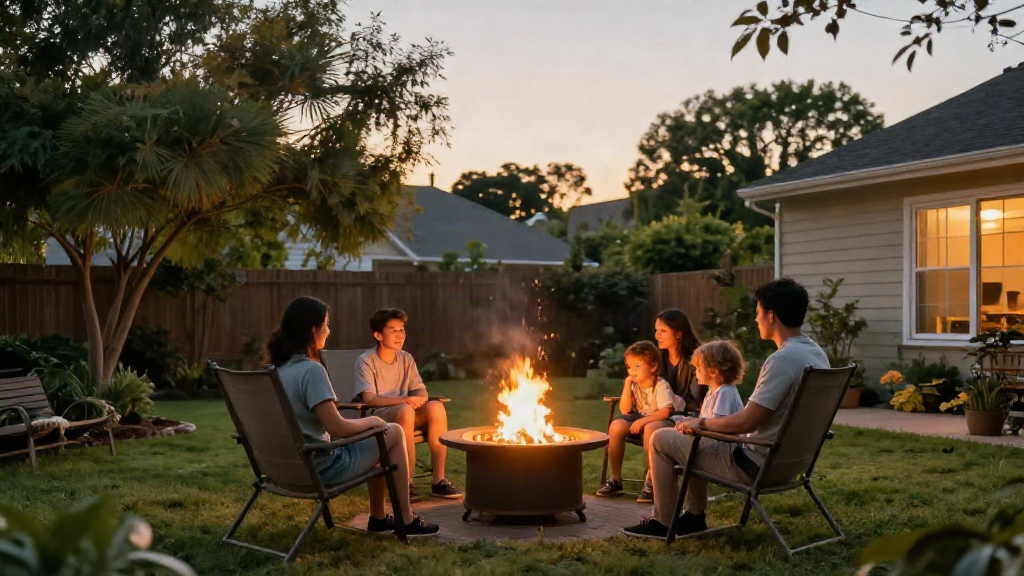
Spring evenings have a way of pulling the whole family outside. The kids are still buzzing from the day, the air finally cools down, and a glowing fire pit turns an ordinary Tuesday into something that feels a little bit special. Toast a marshmallow, wrap up in a blanket, listen to the last of the birds – it is the kind of slow, warm family moment we all chase.
But if you are a parent, a fire pit also comes with a very reasonable question: how do I enjoy this safely with young children around? The good news is that backyard fire pit safety for families is not complicated. It mostly comes down to choosing the right setup, placing it thoughtfully, and building a few simple habits into every fire night. Here is a practical guide you can actually use.
Choosing a family-safe fire pit
Not every fire pit is designed with young kids in mind, so it helps to think about safety features first and aesthetics second.
Size and height matter. Low, wide fire pits can look beautiful, but a bowl that sits close to the ground is easier for a curious toddler to reach. A slightly taller fire pit, or one that comes with a stand that lifts the flame away from small hands, gives you more of a natural buffer. Our Portable Table Top Fire Pit with Stand is a good example – the foldable stand raises the fire bowl and keeps it stable on uneven grass.
Look for a spark guard. An open flame throws off embers, and embers are unpredictable. A mesh lid or spark screen contains them without blocking the warmth or the view. The Grillz Fire Pit with Mesh Lid and Fire Picker includes a spark-proof mesh lid, which lets you enjoy the fire while adding a clear physical barrier between the flames and little ones.
Stability is non-negotiable. Kids lean, bump, and run. A heavy, sturdy base will not tip when a ball rolls into it. The 30″ Square Slate Tile Fire Pit is built from heavy-duty steel with a genuine slate tile inlay and weighs around 48 lbs, so it stays put. Whatever you choose, give it a gentle nudge before you light up – if it wobbles on the spot, it is not set up right or it is not the right fit for a busy family yard.
Setting up your fire pit safely
Placement does most of the heavy lifting when it comes to safety.
Pick a level, non-flammable surface. Never place a fire pit on a wooden deck, dry grass, or near low-hanging branches. A paved patio, gravel area, or bare ground is ideal. Keep a clear radius of at least a few metres from the house, fences, garden sheds, and anything that could catch an ember.
Check the wind. A breezy evening will push smoke and sparks in one direction. Position seating so family members are not sitting directly in the smoke path, and avoid lighting up if the wind is strong enough to move embers around.
Create a “no-go” zone. This is the single most useful habit for parents. Before the first match is struck, walk the kids around and mark out a boundary with garden chairs, potted plants, or a simple chalk line. Make it a firm rule: nobody crosses into the circle while the fire is lit, no exceptions. Framing it as a special zone rather than a punishment tends to get better buy-in from kids.
Consider a fire pit with a tool you can actually use. Long-handled tools keep hands a safe distance from the flames. The mesh lid and included fire picker on a Grillz Fire Pit let you adjust logs and settle the fire without getting close.
Managing young children around the fire
Supervision is the part no product can replace.
Assign an adult. On any fire night, one grown-up is the “fire watcher,” and their only job is watching the fire and the kids. If you need to step inside, the fire gets extinguished or another adult takes over. It sounds formal, but it takes one second to agree on and removes the accidental gaps where incidents happen.
Teach the rules early. Simple, repeatable phrases work best with toddlers and preschoolers: “Feet stay outside the circle,” “We walk, we don’t run,” “Only grown-ups touch the fire.” Say them every time you light up so they become habit rather than a surprise.
Dress for safety. Loose, dangling clothing and flowing sleeves are a hazard near open flame. Long hair should be tied back, and bare feet are best swapped for closed shoes so kids can move safely over gravel and grass.
Keep a few essentials within reach. A bucket of water, a garden hose, or a fire extinguisher should always be within arm’s reach – not packed away in the shed. A small first-aid kit does not hurt either.
Fuelling, extinguishing, and storage
How you start and end a fire matters just as much as the fire itself.
Fuel wisely. Stick to dry, seasoned wood or the fuel type your fire pit is designed for. Never use accelerants – petrol, lighter fluid, or anything designed for a barbecue. Never burn rubbish, plastics, or treated timber, which release harmful fumes. And keep the fuel pile well away from the fire, topping up only with a long tool once the flames have settled.
Extinguish completely. When the evening winds down, let the fire burn down rather than dousing it while it is roaring. Once the flames are gone, spread the embers with a tool and cover them with water slowly, or smother them with sand. Embers can stay hot for hours, so never leave the pit unattended and never assume a fire is out just because you cannot see a flame.
Store it properly. Out of season, clean the ash once everything is cold, dry the unit thoroughly, and store it under a cover or in a shed. A fire pit cover keeps moisture and rust at bay and saves you fuss next spring. Checking the stand, lid, and fittings each season keeps your setup safe year after year.
Wrapping up
A fire pit does not have to be a source of stress. With a stable, guarded unit, a thoughtful spot in the yard, a clear boundary the kids understand, and a grown-up keeping watch, it becomes one of the easiest ways to slow down and enjoy your backyard as a family.
Head outside, keep the circle clear, and let the good evenings begin.
Leave a Reply